-
Shop by category
- Accessories (23)
- Anti-Aging Products (432)
- Anti-Wrinkle Treatment Products (149)
- Biorevitalization (6)
- Botulinum Toxin (12)
- Chemical Peels (44)
- Dermal Fillers (76)
- Fat Dissolving / Lipolysis (10)
- Fillers For Body (5)
- Skin Boosters (34)
- Skin Moisturizers (115)
- Under Eye Creams (33)
- Excessive Facial Hair Inhibitors (5)
- Eye Care (26)
- Eyelash Growth Products (7)
- Hair Care, Treatment & Hair Growth Products (59)
- Men’s Health Products (25)
- Oral Care Products (22)
- Pet Health (2)
- Skin Care Products (284)
- Skin Lightening Products (209)
- Slider (0)
- Supplements & Drugs (374)
- Allergy (12)
- Anti-Addiction (5)
- Anti-Influenza (1)
- Antibiotics (46)
- Asthma (34)
- Brain & Antidepressants (33)
- Cancer Treatment (28)
- Diabetes (11)
- Heart / Blood Pressure (15)
- HIV, AIDS, Herpes & Hepatitis Treatment Medications (22)
- Homoeopathy (64)
- Immunosuppressants (11)
- Migraine (6)
- Thyroid Extract Supplements (7)
- Vitamins & Minerals (87)
- Wilson’s Disease (3)
- Topical Anesthetics / Pain Management (37)
- Weight Loss Treatment Products (22)
- Women's Health Products (62)
- Contraceptives / Birth Control Pills (21)
- Endocrine System (21)
- Sexual Wellness (13)
✓ We Dispatch The Freshest Batch
✓ Discreet Shipping Within 24h Daily
✓ Great Customer Service
✓ Competitive prices on all products
Anti-Wrinkle Treatment Products
Showing 1–99 of 149 results
-
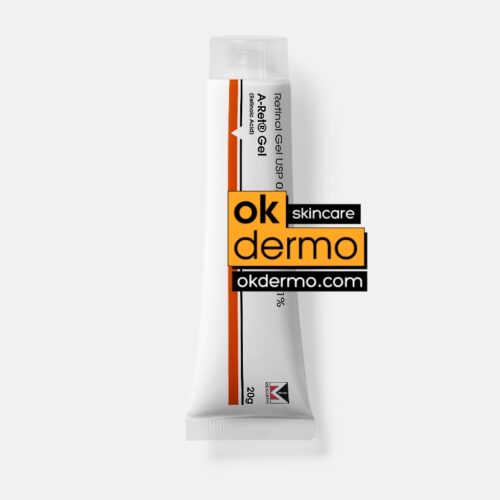
A-Ret® Tretinoin Retinoid Skin Gel
Tretinoin 0.025% / 0.05% / 0.1% USP
Size: 20g / 0.7oz
Brand name: Retin-A Gel, Atralin, Renova, Avita
From USD $25.00 Select options -
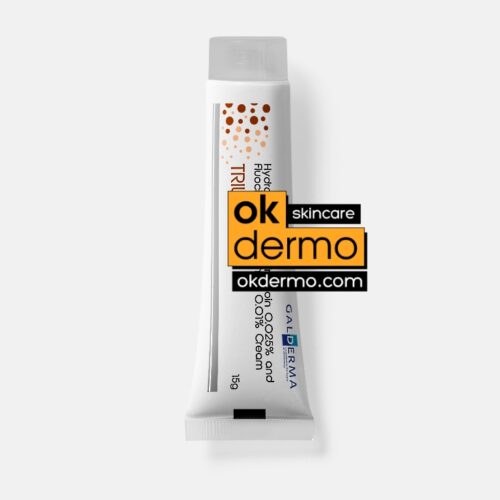
Tri-Luma® Cream for Hyperpigmentation
Hydroquinone 2% / 4% + Tretinoin 0.012% / 0.05% + Fluocinolone 0.01%
Size: 15g / 0.53oz, 20g / 0.7oz
Brand name: Lumiquin, Lumacip Plus, Refaquin, Retrieve
From USD $35.00 Select options -
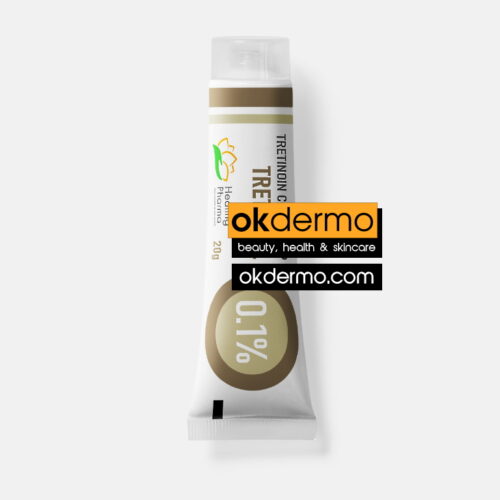
Retin-A® Tretinoin Topical Cream
Tretinoin Cream USP 0.025% / 0.05% / 0.1%
Size: 20g / 0.7oz, 30g / 1.05oz
Brand name: Retin-A, Vitacid, Renova, Avita, Refissa, Atralin, Tretin-X, Rejuva-A, Stieva-A, Tretinoïne, Retacnyl
From USD $26.00 Select options -
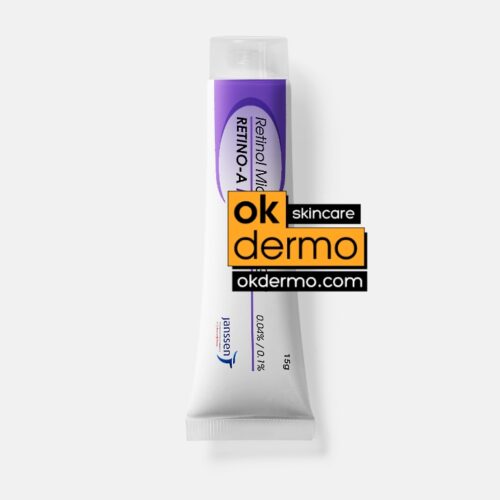
Retin-A Micro® Tretinoin Gel Micronized
Tretinoin Microspheres™ 0.04% / 0.1%
Size: 15g / 0.53oz
Brand name: Retin-A Micro Gel, Atralin, Renova, Avita, Supatret, Signatret, Trunex
From USD $25.00 Select options -
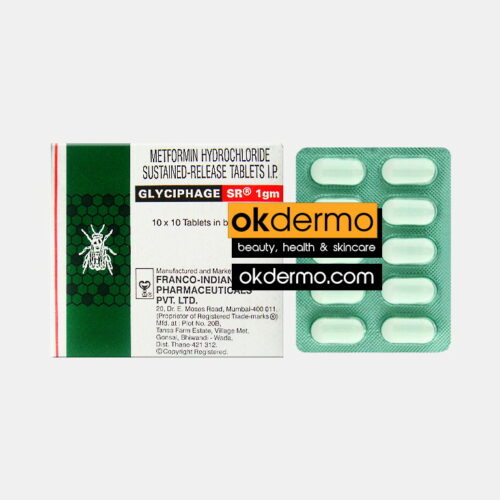
Metformin Tablets
Metformin HCl 250mg / 500mg / 1g
Size: 60 tablets
Brand name: Glucophage, Glumetza, Riomet
From USD $15.00 Select options -
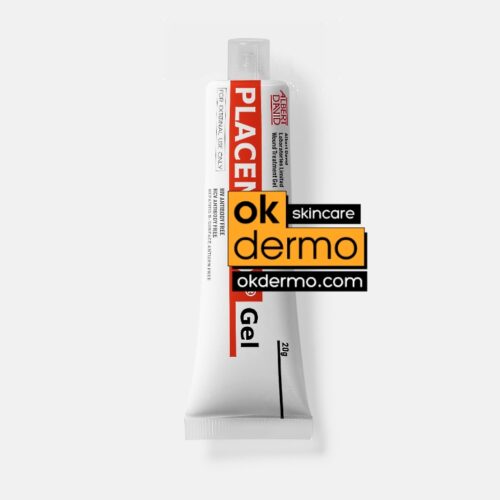
Placentrex® Placenta Topical Gel
Fresh Sterile Human Placenta Extract 0.1% + Nitrogen 0.25%
Size: 20g / 0.7oz
Brand name: Collagen Placenta Topical
USD $22.00 Add to cart -
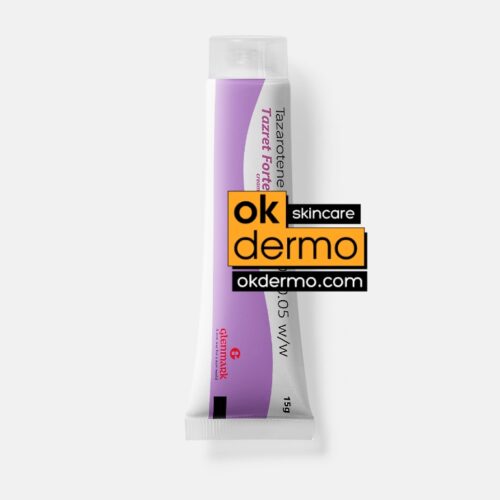
Tazret® Tazarotene Cream / Gel
Tazarotenic Acid / Tazarotene 0.05% / 0.1%
Size: 20g / 0.7oz
Brand name: Tazorac, Arazlo, Tazarotenic
From USD $28.00 Select options -
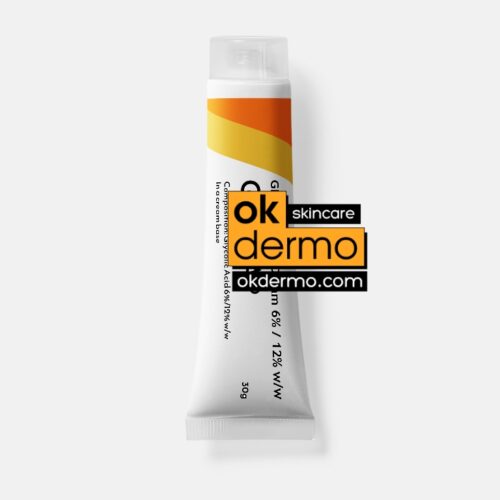
Glyco-A® Glycolic Acid Cream
Glycolic Acid 6% / 12%
Size: 30g / 1oz
From USD $22.00 Select options -
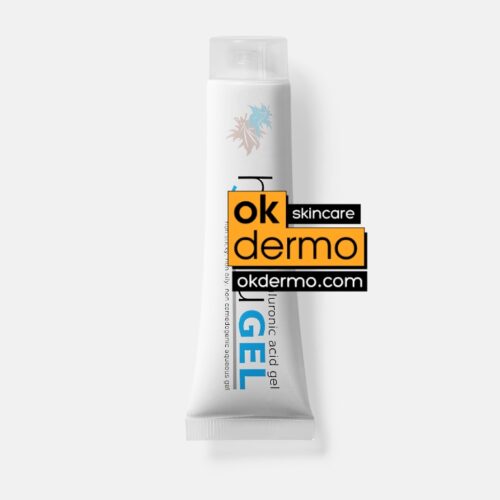
Hyalugel Plus® Hyaluronic Aqueous Gel
2.5% Hyaluronic Acid Moisturizing Agent
Size: 30g / 1.05oz
Brand name: Bionect, Gelclair, Xclair, Hylase
USD $28.00 Add to cart -
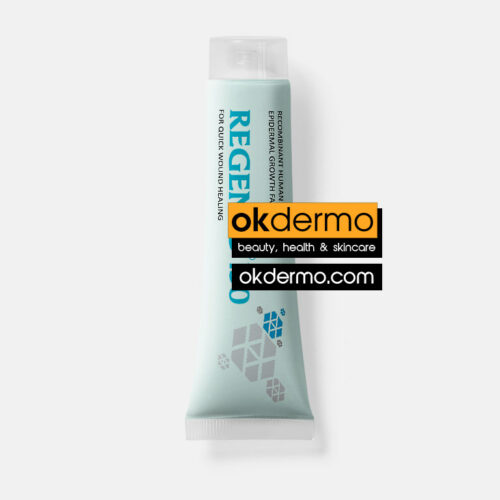
Regen-D® Epidermal Growth Factor Gel
Recombinant Human Epidermal Growth Factor 60mg / 150mg
Size: 15g / 0.53oz
Brand name: Regranex, TNS, Fibroblast, Growth Factor
From USD $75.00 Select options -
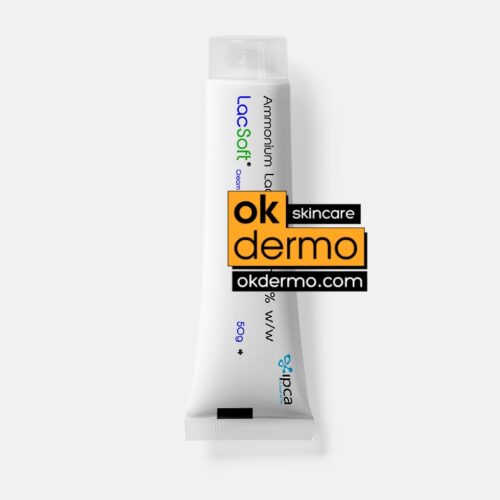
Lacsoft® Ammonium Lactate Cream
Pure Lactic Acid / Ammonium Lactate 12%
Size: 50g / 1.76oz
Brand name: Lacticare, Lactinol HX, Lactinol-E, Lactinol
USD $24.00 Add to cart -
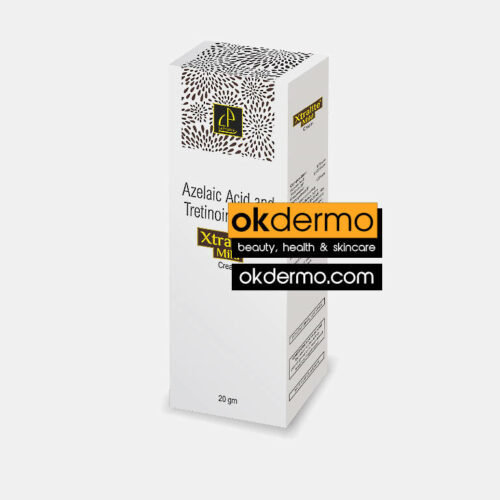
Xtralite® Tretinoin & Azelaic Acid Cream
Azelaic Acid 10% + Tretinoin 0.025% / 0.05%
Size: 20g / 0.7oz or 15g / 0.52oz
From USD $25.00 Select options -
Sold out!
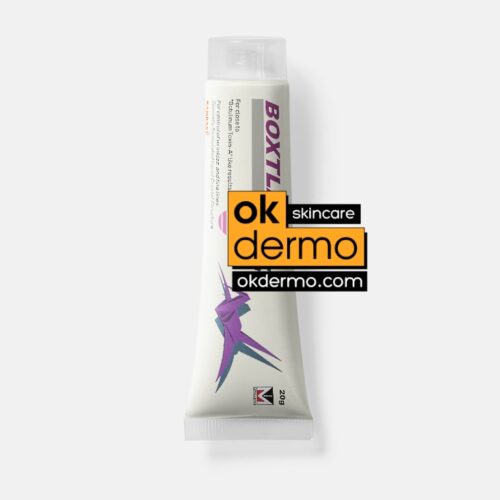
Boxtlak-BL® Botox Peptide Topical Cream
BoNT-L Botox-Like Peptide
Size: 20g / 0.7oz
USD $34.00 Read more -
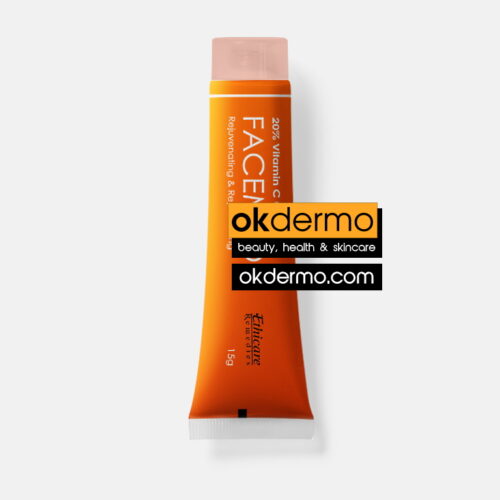
Facemed® Vitamin C 20% Topical Gel
L-Ascorbic Acid 20% + Vitamin E
Size: 15g / 0.53oz
USD $26.00 Add to cart -
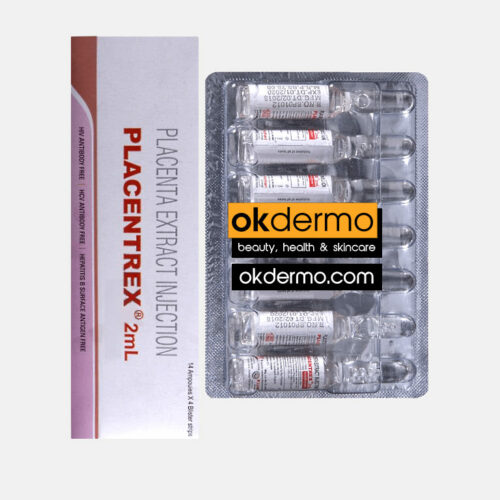
Placentrex® Fresh Placenta Injection
Fresh Sterile Human Placenta 0.1g + Nitrogen 0.08% + Benzyl Alcohol 1.5%
Size: 7 Ampoules of 2ml each
Brand name: Liquid Placenta Extract
USD $30.00 Add to cart -
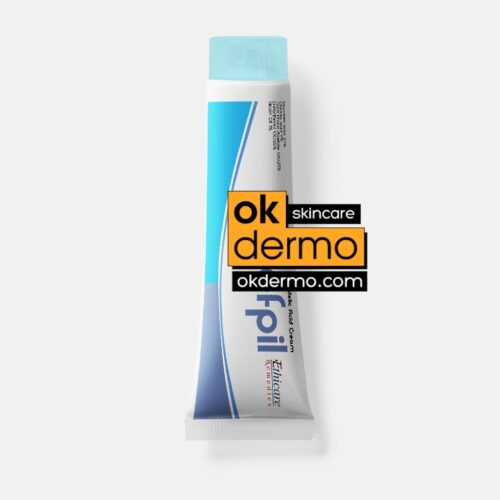
Sefpil® Mandelic Peel Cream
Mandelic Acid 10% + Glycolic Acid 5%
Size: 30g / 1.05oz
USD $22.00 Add to cart -
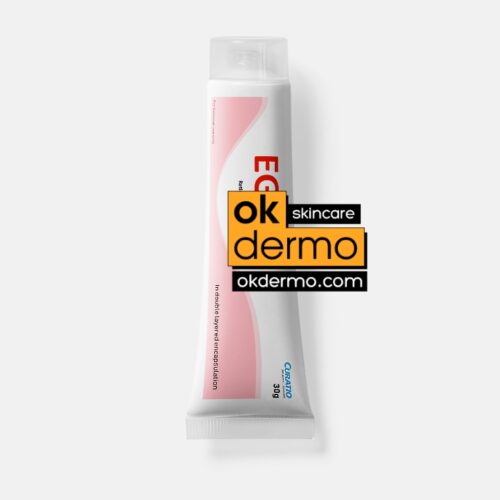
Ega® Anti-Wrinkle Night Cream
Pure Retinol + Vitamin K Microsphere®
Size: 30g / 1.05oz
USD $44.00 Add to cart -
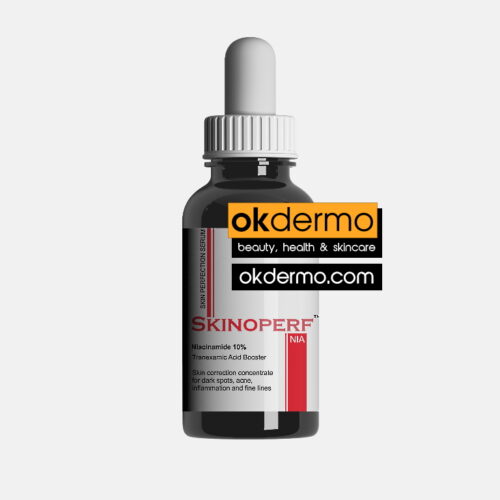
Skinoperf-NIA® Skin Correction Concentrate
Niacinamide 10% + Tranexamic Acid + Zinc + Bisabolol + Epidermosil + Centella Asiatica + Tamarindus
Size: 30ml / 1.01fl.oz
Brand name: Silanetriol
USD $47.00 Add to cart -
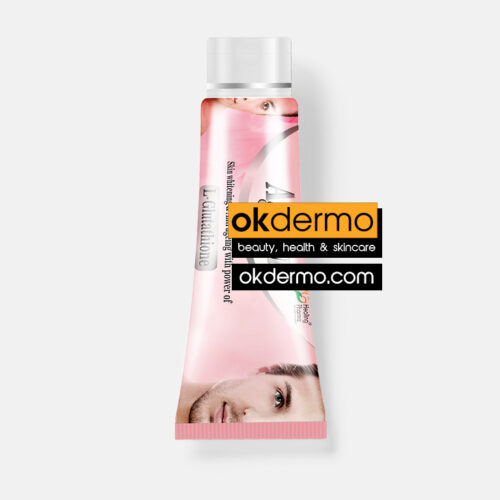
Agefine® Glutathione Anti-Ageing Cream
Skin Whitening L-Glutathione + Glycolic Acid + Shea Butter
Size: 20g / 0.7oz
USD $29.00 Add to cart -
Sold out!
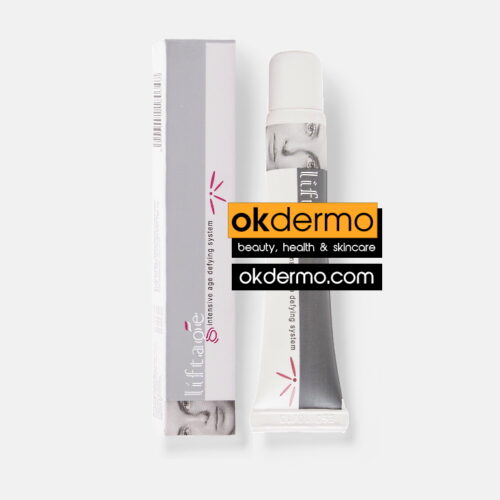
Liftage® Peptide Anti-Ageing Cream
Acetyl Hexapeptide-8 + Palmitoyl Oligopeptide + Matrixyl-3000
Size: 15g / 0.53oz
USD $31.00 Read more -
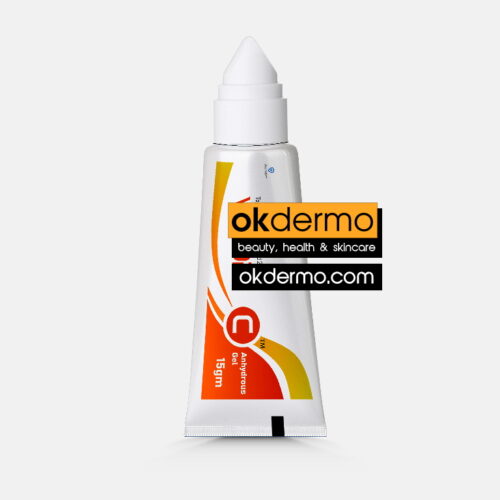
Vtop C® Vitamin-C 20% Topical Gel
Anhydrous L-Ascorbic Acid 20%
Size: 15g / 0.53oz
USD $38.00 Add to cart -
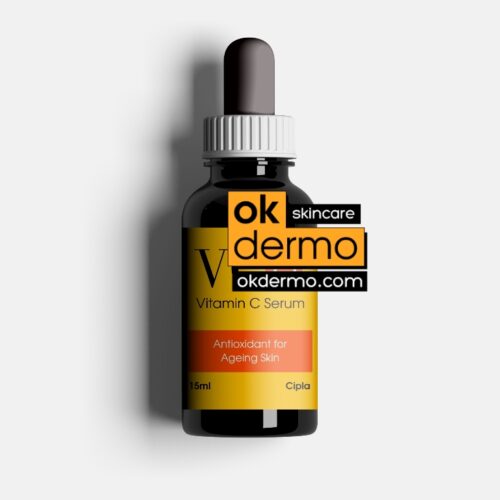
VC-15® Vitamin-C Serum
Vitamin C 15% Antioxidant For Aging Skin
Size: 15ml / 0.5fl.oz
USD $66.00 Add to cart -
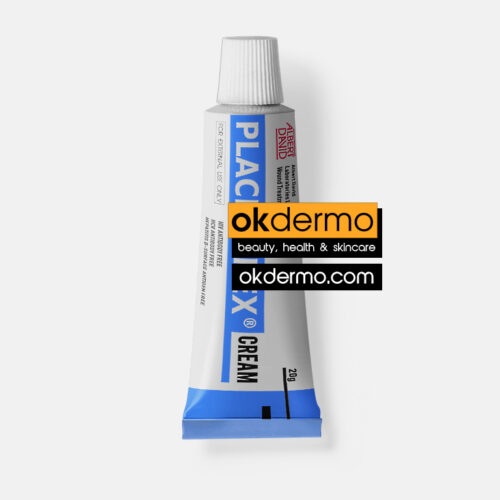
Placentrex® Placenta Cream
Fresh Placenta Extract 0.1g + Nitrogen 0.08%
Size: 20g / 0.7oz
USD $21.00 Add to cart -
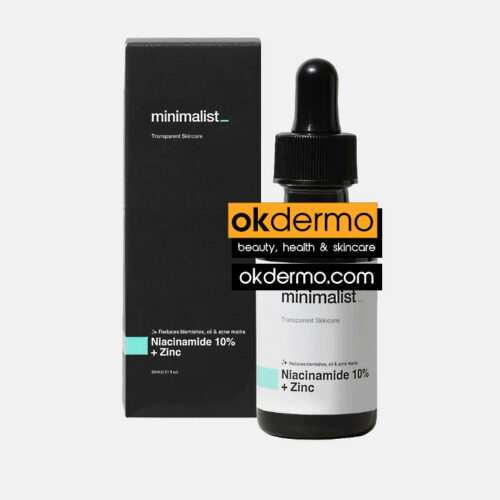
Minimalist® (Vitamin B3) Niacinamide 10% Face Serum
Nicotinamide / Niacinamide 10% + Antioxidant EUK-134 + Zinc + Hyaluronic Acid
Size: 30ml / 1fl.oz
USD $33.00 Add to cart -
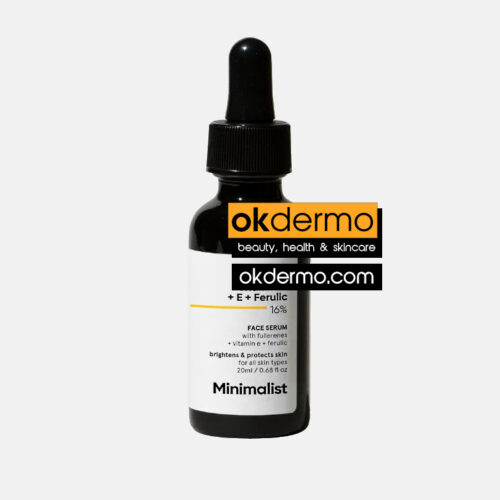
Minimalist® Vitamin C + E + Ferulic Face Serum
Vitamin C (Ethyl Ascorbic Acid) 15% + Fullerenes Carbon 60 1% + Ferulic Acid 1%
Size: 20ml / 0.7fl.oz
USD $35.00 Add to cart -
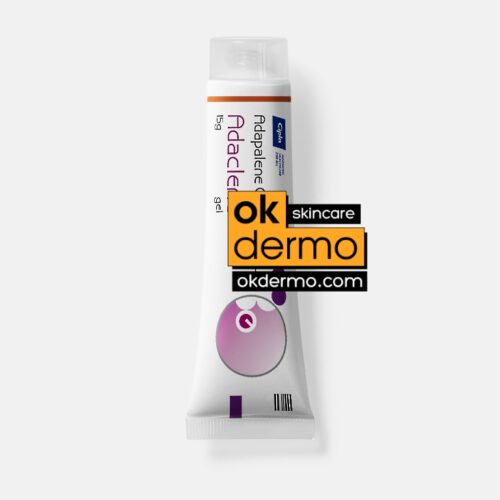
Adapalene Topical Gel
Adapalene Micro® 0.1%
Size: 15g / 0.53oz
Brand name: Differin, Adaferin, Plixda
From USD $23.00 Select options -
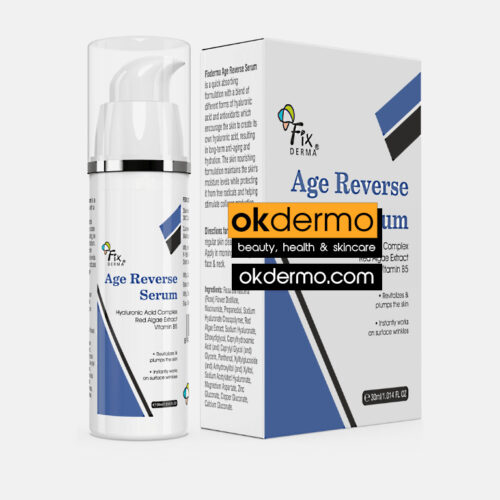
Age Reverse® Hyaluronic Serum
Hylasome® 2% + Hymagic® 0.2% + Osmogeline® 3.5% + Sepitonic M4® 1%
Size: 30ml/1fl.oz
USD $44.00 Add to cart -
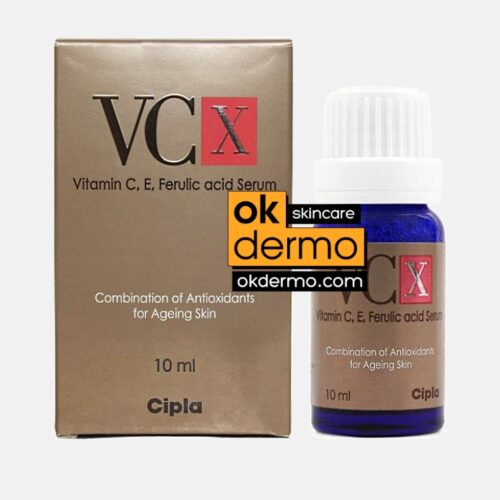
VCX® Anti-Aging Skin Serum
Combination of Antioxidants for Ageing Skin Vitamin C, E + Ferulic Acid
Size: 10ml / 0.34fl.oz
USD $71.00 Add to cart -
Sold out!
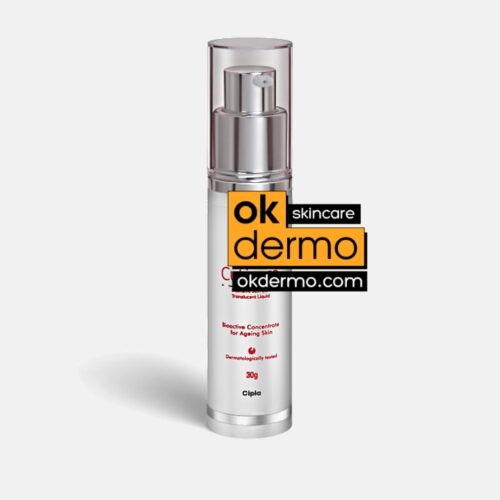
Cutisera® Growth Factor Facial Skin Serum
Growth Factors + Cytokines
Size: 30g / 1.05oz
USD $125.00 Read more -
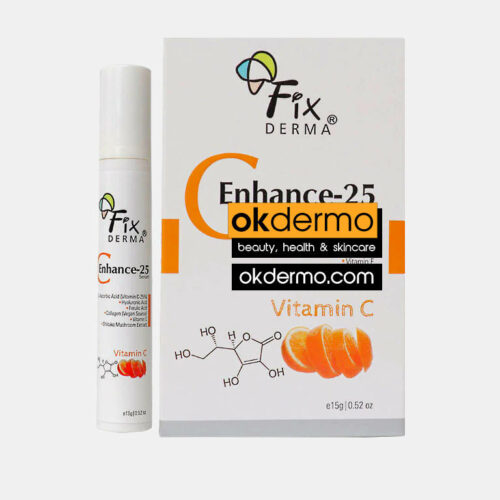
C Enhance-25® Vitamin-C Antioxidant Serum
L-Ascorbic Acid 25% + Collagen + Vitamin E + Shiitake Mushroom Extract + Ferulic Acid + Hyaluronic Acid
Size: 15g/0.52oz
USD $44.00 Add to cart -
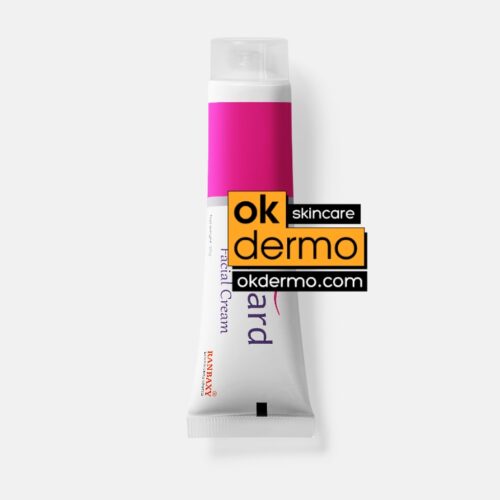
Yugard® Retinol Anti-Ageing Cream
Retinol 0.15% Facial Treatment
Size: 30g / 1.05oz
USD $46.00 Add to cart -
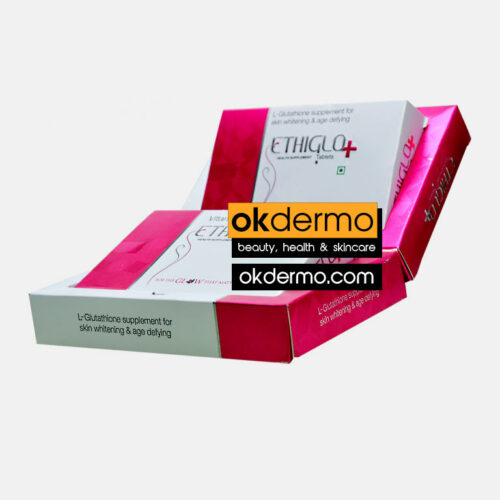
Ethiglo+® L-Glutathione Supplement
L-Glutathione 600mg + Vitamin C 40mg + Alpha Lipoic Acid 100mg + Grape Seed Extract 50mg + Niacinamide 20mg
Size: 60 Tablets
USD $103.00 Add to cart -
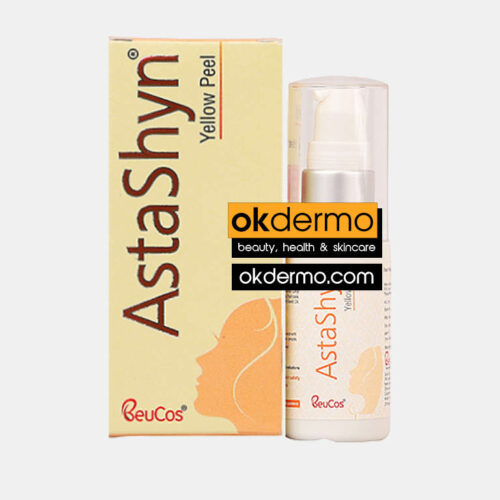
Astashyn® Yellow Peel
Lactic Acid + Glycolic Acid + Kojic Acid + Salicylic Acid + Octadecanoic Acid + Resveratrol + Retinol
Size: 20g / 0.7oz
USD $35.00 Add to cart -
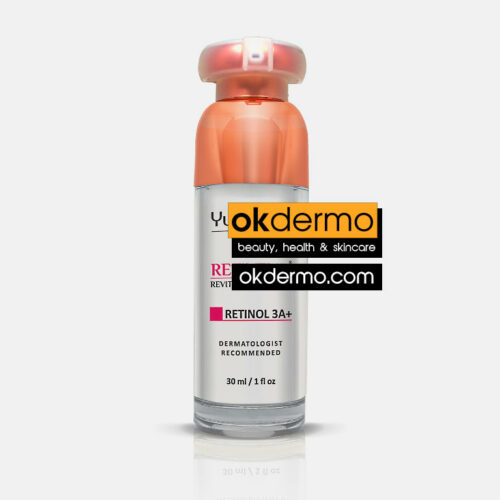
RETINEXT® Retinol 3A+ Intensive Anti-Aging Serum
Encapsulated Retinol 3A + Niacinamide + Hyaluronic Acid + Aquaxyl + Co-Enzyme Q10 + Vitamin E
Size: 30ml / 1fl.oz
USD $63.00 Add to cart -
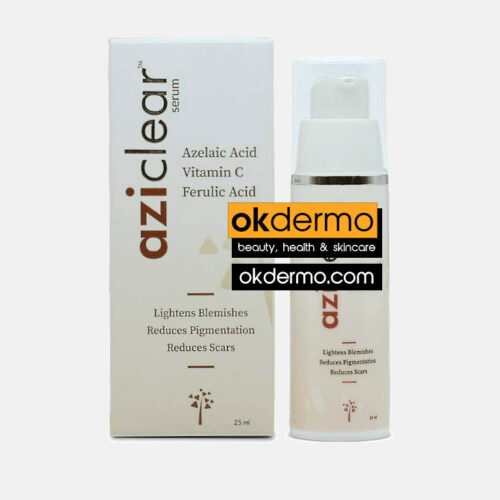
Aziclear® Azelaic Acid Facial Serum
Micronized Azelaic Acid + Vitamin C + Ferulic Acid
Size: 30ml / 1fl.oz
USD $56.00 Add to cart -
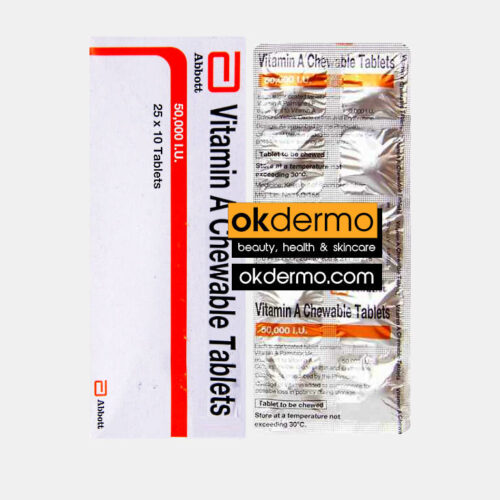
Vitamin A® Chewable Tablets
Vitamin A 50000IU
Size: 50 Chewable Tablets
Brand name: Retinol, Aquasol A, Retinyl Acetate, Retinyl Palmitate
USD $18.00 Add to cart -
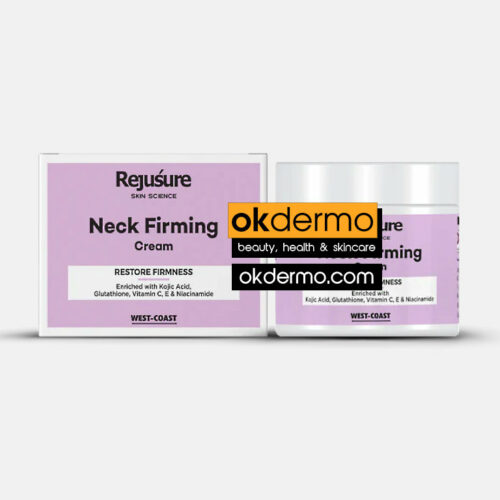
Rejusure® Neck Firming Cream
Kojic Acid + Shea Butter + Niacinamide + Vitamin C, E + Glutathione + Glycolic Acid + Bearberry Extract + Licorice Extract + Arbutin
Size: 50g / 1.8oz
USD $21.00 Add to cart -
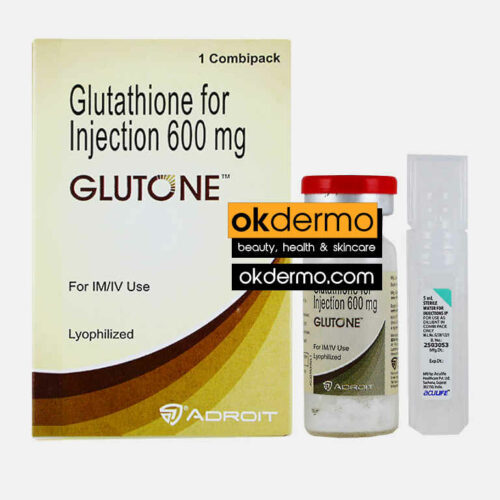
Glutone® Glutathione Injection
Glutathione 600mg
Size: 5 Vials
Brand name: Ethiglo, Maxiliv, GSH, L-Glutathione
USD $180.00 Add to cart -
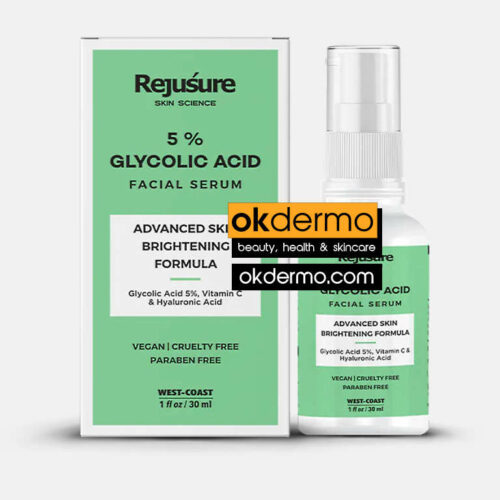
Rejusure® Glycolic Acid Facial Serum
Glycolic Acid 5% + Vitamin C 20% + Hyaluronic Acid 0.1%
Size: 30ml / 1fl.oz
USD $19.00 Add to cart -
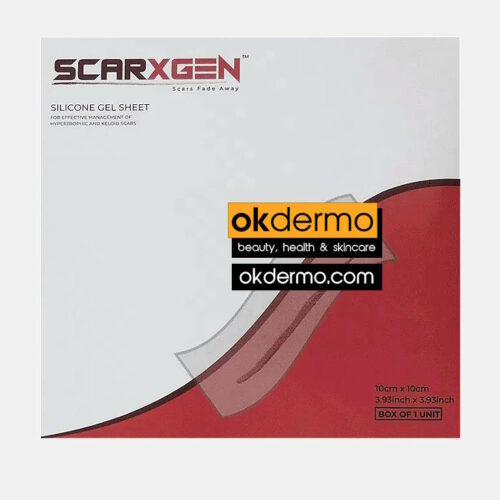
ScarxGen® Medical Grade Silicone Scar Reduction Gel Sheet
Post-Surgery Hypertrophic & Keloid Scars Removal
Size: 1 Sheet
Brand name: Mederma Scar Sheet, ScarFX, Polymax, ScarAway, CVS, Medigel
From USD $42.00 Select options -
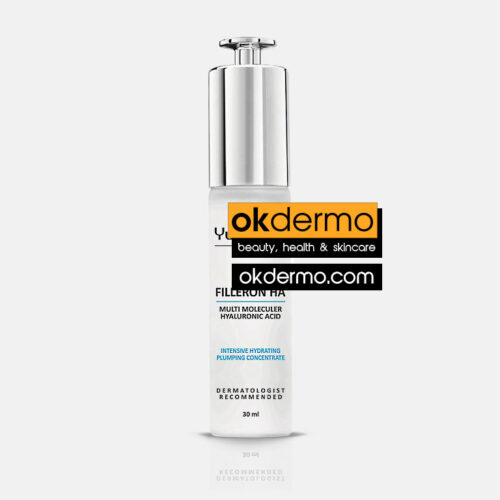
FILLERON® Highly Concentrated Hyaluronic Acid Anti-Wrinkle Hydrating Serum
(High- Medium- Low-Molecular) HA + L-Ascorbic Acid + Aquaxyl + Panthenol
Size: 30ml / 1fl.oz
USD $56.00 Add to cart -
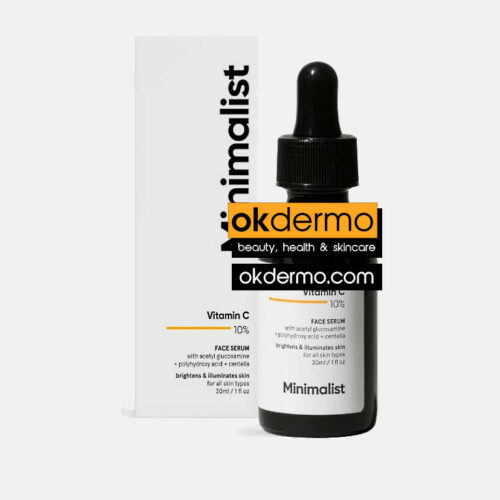
Minimalist® Vitamin C 10% Face Serum
Vitamin C (Ethyl Ascorbic Acid) 10% + Acetyl Glucosamine + Gluconolactone (PHA) + Centella
Size: 30ml / 1fl.oz
Brand name: Obagi Medical Professional-C Serum, SkinCeuticals C Acid
USD $34.00 Add to cart -
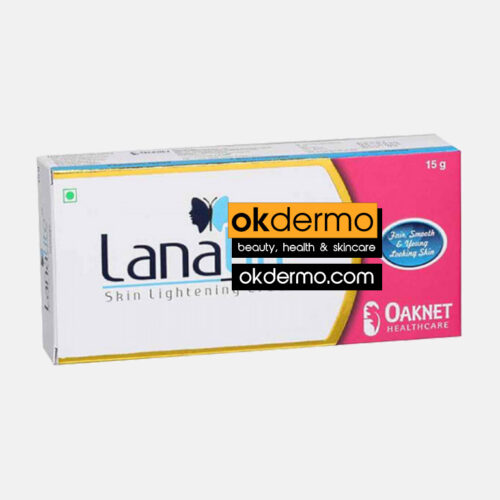
Lanalite® Cream
β-white + Lanablue™ + Tyrostat
Size: 15g / 0.53oz
USD $29.00 Add to cart -
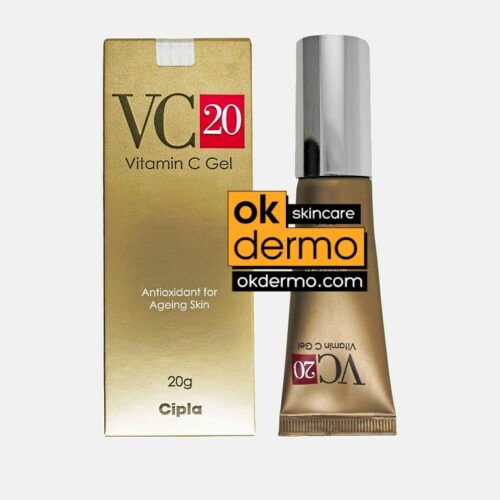
VC 20® Vitamin-C Topical Gel
Vitamin C 20% Antioxidant For Ageing Skin
Size: 20g / 0.7oz
USD $65.00 Add to cart -
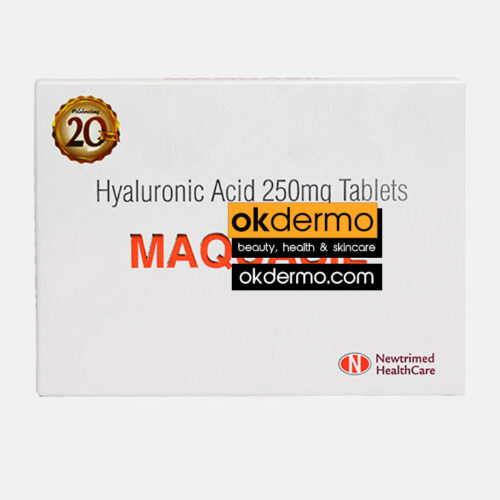
Pure Hyaluronic Acid Tablets
Hyaluronic Acid / Hyaluronan / Sodium Hyaluronate 20mg - 250mg
Size: 30 Tablets
Brand name: Euflexxa, Durolane, Supartz, Gelsyn-3
From USD $22.00 Select options -
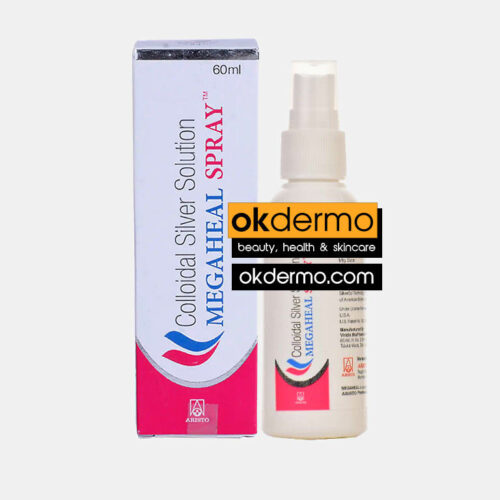
Megaheal® Colloidal Silver Spray
Silver Colloid 10ppm
Size: 60ml / 2fl.oz
USD $19.00 Add to cart -
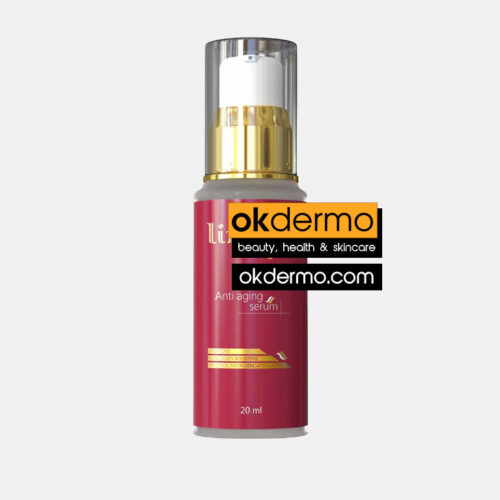
Liftage® Anti-Aging Face Serum
Tripeptide-1 + Tripeptide-5 + Collagen Boosters + Retinol (Micro Encapsulated)
Size: 20ml / 0.7fl.oz
USD $42.00 Add to cart -
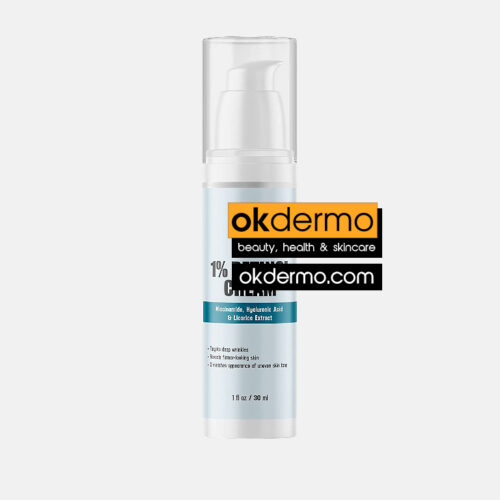
Azani® Active Care 1% Retinol Cream
Retinol + Shea Butter + Niacinamide + Hyaluronic Acid + Licorice Extract
Size: 30ml / 1fl.oz
USD $34.00 Add to cart -
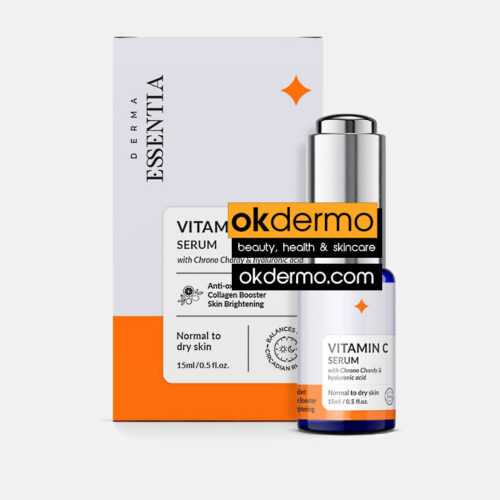
Derma Essentia® Advanced Vitamin C Anti Ageing Serum
Ethyl Ascorbic Acid + Ceramides + Hyaluronic Acid + Chrono Chardy
Size: 15ml / 0.5fl.oz
USD $45.00 Add to cart -
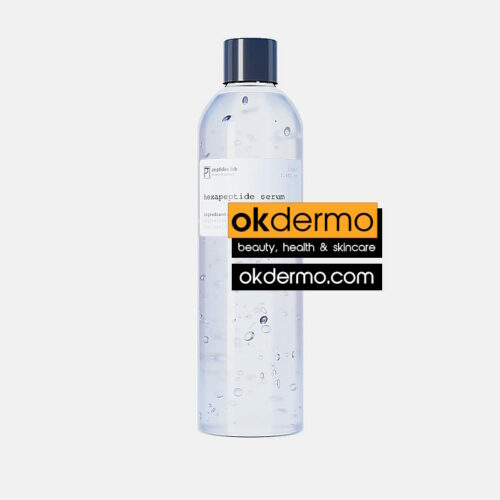
Hexapeptide Liquid® Six Peptides Lifting Firming Essence Serum
Argireline-8 Peptide 50% + Matrixyl 3000™ Peptide 20% + Hyaluronic Acid + C-Root
Size: 200ml / 6.8fl.oz
USD $85.00 Add to cart -
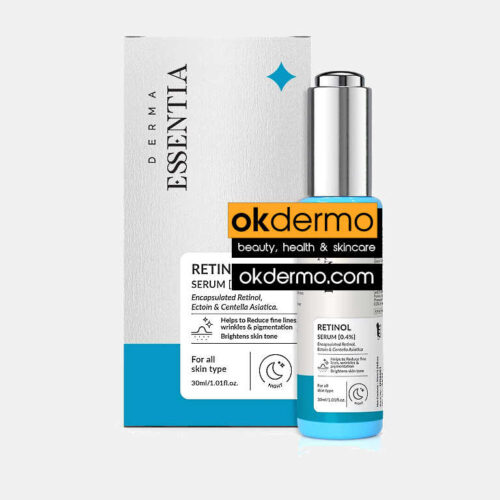
Retinol Serum 0.4%® For Fine Lines
Encapsulated Retinol 0.4% + Ectoin + Beta-Glucan
Size: 30ml / 1fl.oz
USD $34.00 Add to cart -
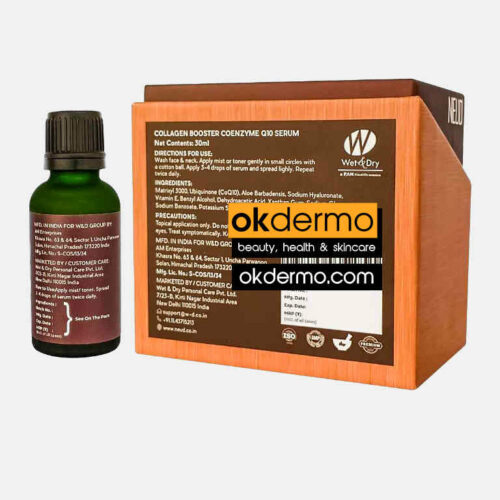
NEUD® Collagen Booster Face Serum
Matrixyl 3000 + Coenzyme Q10 + Aloe Vera
Size: 30ml / 1fl.oz
USD $42.00 Add to cart -
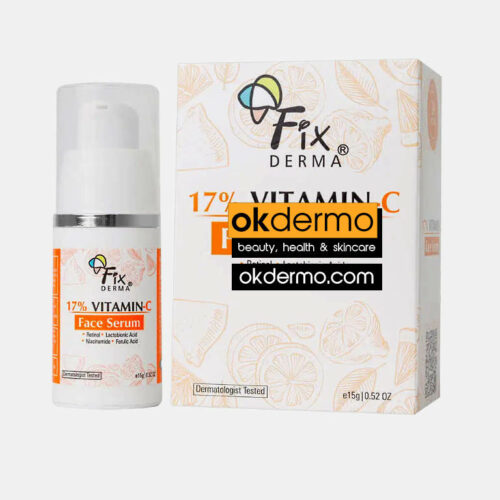
17% Vitamin-C Face Serum
Ascorbyl Methylsilanol Pectinate (Vitamin C) 17% + Niacinamide 4% + Ferulic Acid 0.1% + Lactobionic Acid + Retinol 1%
Size: 15g / 0.5oz
USD $31.00 Add to cart -
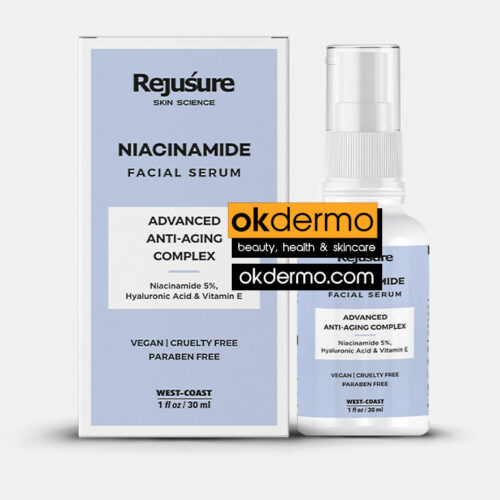
Rejusure Niacinamide® Facial Serum
Niacinamide 5% + Hyaluronic Acid + Vitamin E
Size: 30ml / 1fl.oz
USD $26.00 Add to cart -
Matrixyl 3000® Hexapeptide-Based Facial Essence
Matrixyl 3000 + Argireline (Acetyl Hexapeptide-3) + Hyaluronic Acid
Size: 200ml / 6.8fl.oz
USD $82.00 Add to cart -
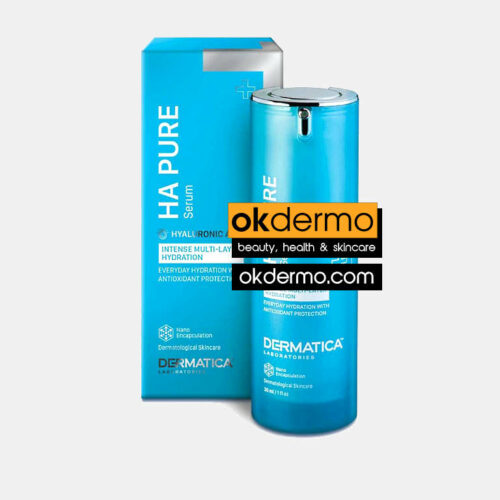
HA Pure® Hyaluronic Acid Serum
Intense Multi-Layer Hydration with Antioxidant Protection
Size: 30ml / 1fl.oz
USD $39.00 Add to cart -
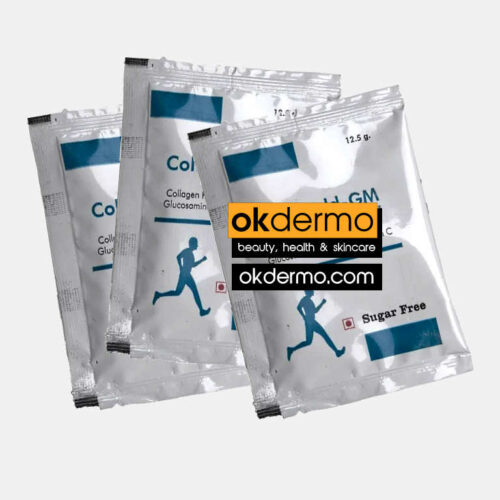
Collagold-GM® Collagen Peptide Type-II Sachets
Glucosamine Sulphate 1500mg + Aflapin® 100mg + Collagen Peptide Type-II 10g + Vitamin C 40mg
Size: 15 Sachets 12.5 gm Each
USD $45.00 Add to cart -
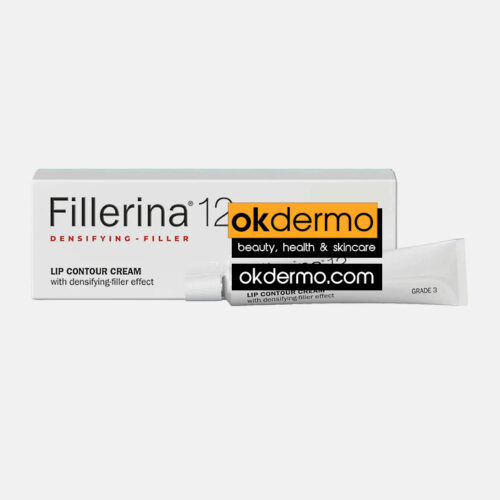
Fillerina® 12HA Densifying Lip Contour Cream
12 Hyaluronic Acids + Collagen + Elastin + Matrifull + Acetyl Hexapeptide-37 + Almond & Rosehip Oils + Shea Butter + Allantoin + Vitamin A + Ceramides
Size: 15ml / 0.5fl.oz
From USD $150.00 Select options -
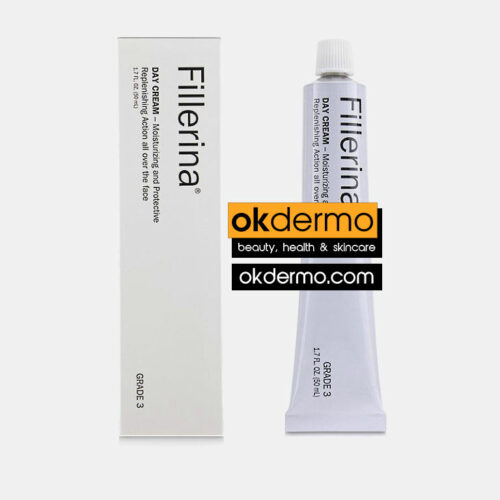
Fillerina® 12HA Age-Defying Densifying Day Cream
12 Hyaluronic Acids + 3 Collagen + 2 Elastin + Matrifull + Acetyl Hexapeptide-37 + Xylitol + Vitamin E
Size: 50ml / 1.7oz
From USD $206.00 Select options -
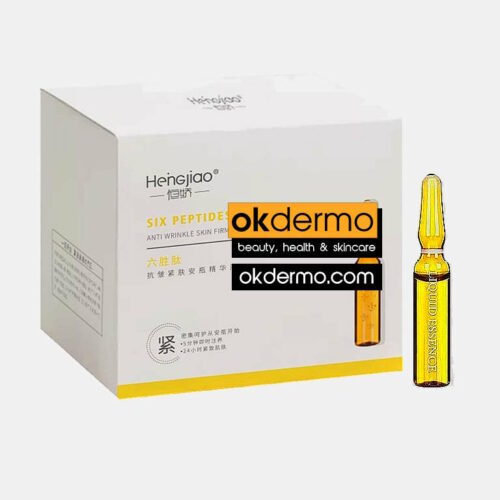
Six Peptides Anti-Wrinkle Skin Firming Ampoule Essence
For Liquid Topical & Microneedling Therapy
Size: 28 Glass Ampoules
USD $54.00 Add to cart -
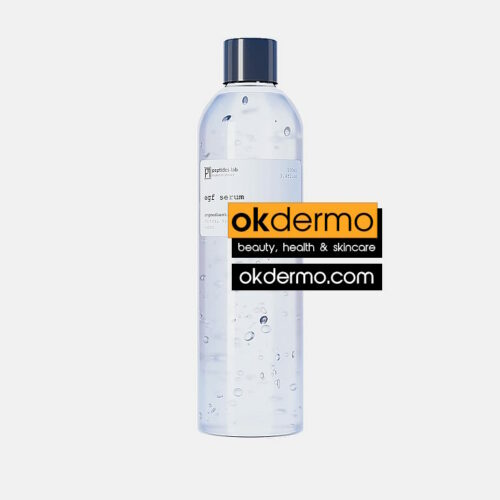
EGF Factor® Facial Rejuvenating Essence
Epidermal Growth Factor + Hyaluronic Acid + Deionized Water
Size: 200ml / 6.8fl.oz
USD $106.00 Add to cart -
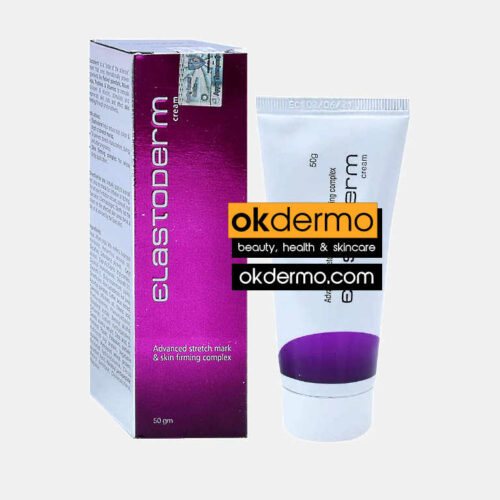
Elastoderm® Peptide Stretch Marks Cream
Palmitoyl Pentapeptide (Procollagen) + Vitamin C + Vitamin A + Allium Cepa
Size: 50g / 1.8oz
USD $27.00 Add to cart -
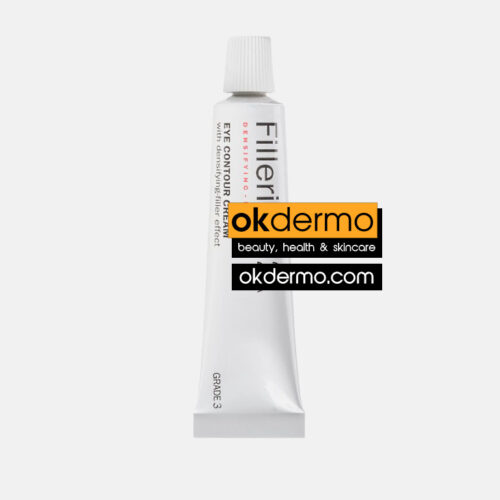
Fillerina® 12HA Densifying Eye Contour Cream Grade 5
12 Hyaluronic Acids + Collagen + Elastin + Matrifull + Acetyl Hexapeptide-37 + Rice & Sweet Almond Oils + Shea Butter
Size: 15ml / 0.5fl.oz
USD $230.00 Add to cart -
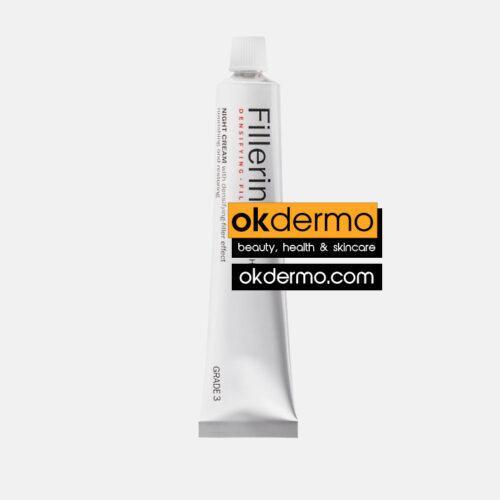
Fillerina® 12HA Age-Defying Densifying Night Cream
12 Hyaluronic Acids + Collagen + Elastin + Matrifull + Acetyl Hexapeptide-37 + Sweet Almond & Wheat Germ Oils + Shea Butter
Size: 50ml / 1.7oz
From USD $210.00 Select options -
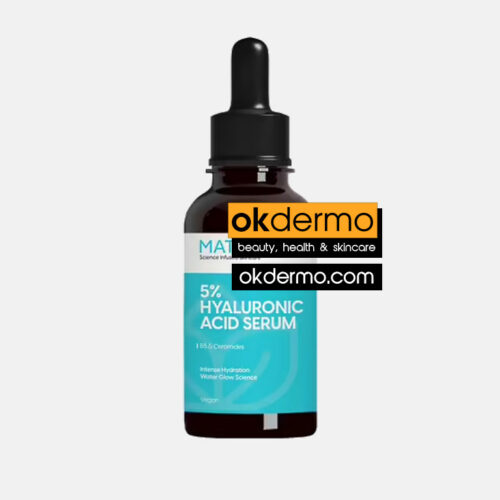
Matra® 5% Hyaluronic Acid Serum
Hyaluronic Acid 5% + Panthenol (Vitamin B5) + Ceramide 3
Size: 30ml / 1fl.oz
USD $36.00 Add to cart -
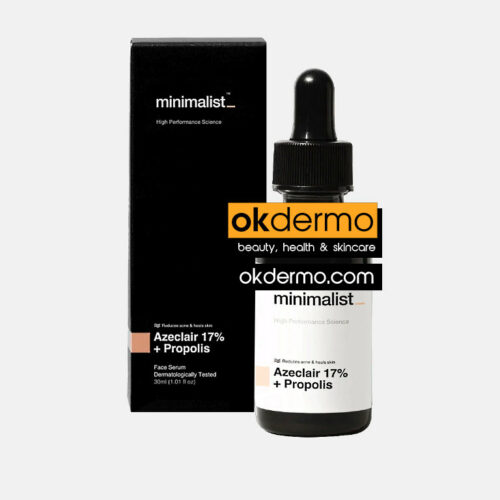
Minimalist® Azeclair & Propolis Face Serum
Azeclair 17% + Propolis Extract 4% + Matmarine 3%
Size: 30ml / 1fl.oz
USD $32.00 Add to cart -
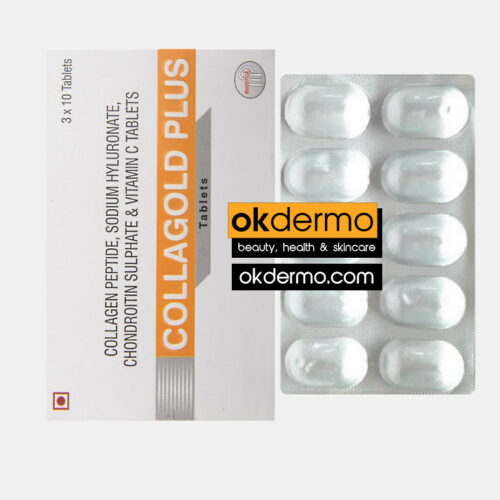
Collagold Plus® Collagen Peptide Tablets
Collagen Peptide 400mg + Sodium Hyaluronate 30mg + Chondroitin 200mg + Vitamin C 35mg
Size: 30 Tablets
Brand name: Collagen Peptides
USD $31.00 Add to cart -
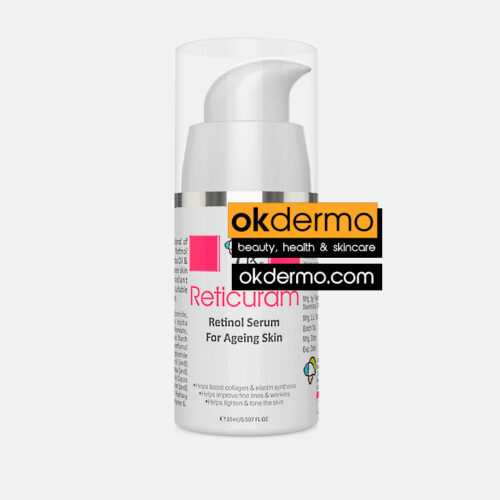
Reticuram® Retinol Serum
RetiStar® Liposomal Retinol + Vitamin C + Jojoba Oil + Shea Butter
Size: 15ml/0.5fl.oz
USD $36.00 Add to cart -
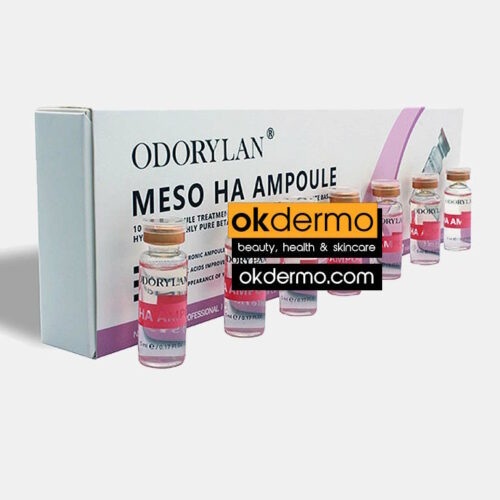
Odorylan® Cross-Linked Hyaluronic Acid Ampoules
For Liquid Topical & Microneedling Therapy
Size: 10 Glass Ampoules (5ml / 0.17fl.oz each)
USD $74.00 Add to cart -
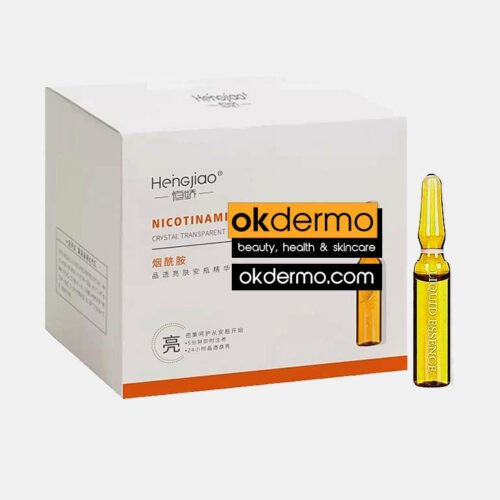
Nicotinamide Crystal Transparent Skin Ampoule Essence
For Liquid Topical & Microneedling Therapy
Size: 28 Glass Ampoules
USD $50.00 Add to cart -
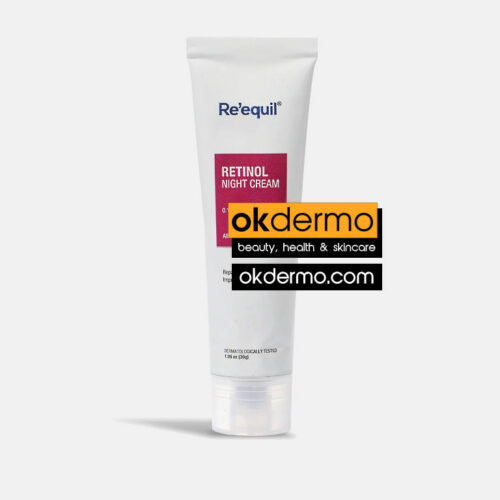
Retinol Night® Wrinkles & Skin Tightening Cream
Retinol 0.1% + Bidens Pilosa Extract + Elaeis Guineensis Oil
Size: 30g / 1oz
USD $28.00 Add to cart -
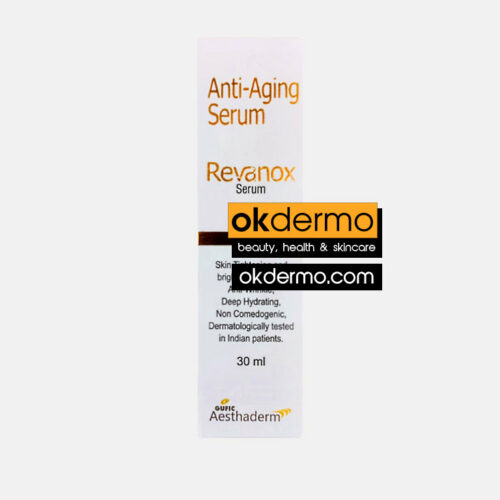
Revanox® Anti-Aging Serum / Cream
Drieline PF™ 2.5% + Superox C AF™ 12.5% + Lecigel™ 0.5% + Siligel™ 0.5%
Size: 30ml / 1fl.oz or 50g / 1.8oz
From USD $31.00 Select options -
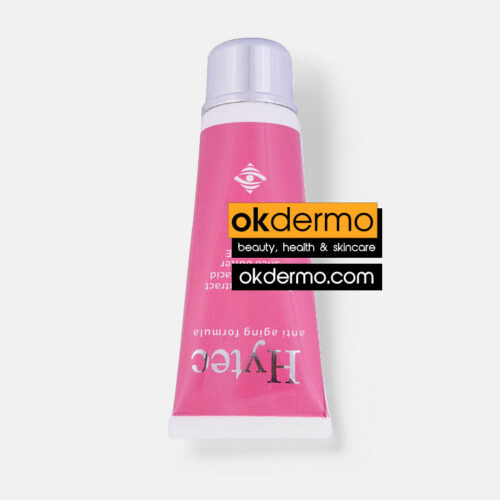
Hytec® Anti Aging Formula Cream
Osilift (Oak Kernel Extract) 4% + Hyaluronic Acid 0.1% + Shea Butter 1% + Vitamin E 0.5%
Size: 20g / 0.7oz
USD $28.00 Add to cart -
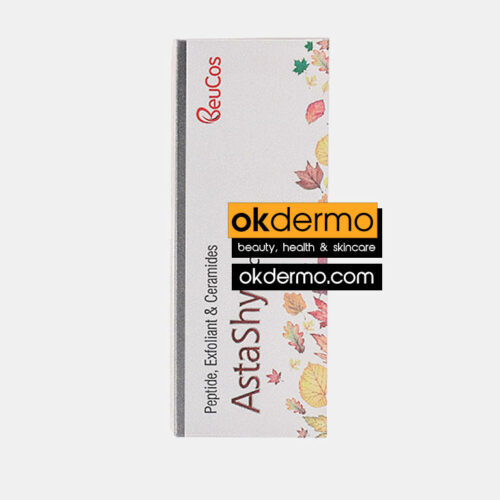
Astashyn® Wrinkle Treatment Cream
Astaxanthin + Lactobionic Acid + Oligopeptide-5 + Stearic Acid + Ceramides
Size: 20g / 0.7oz
USD $24.00 Add to cart -
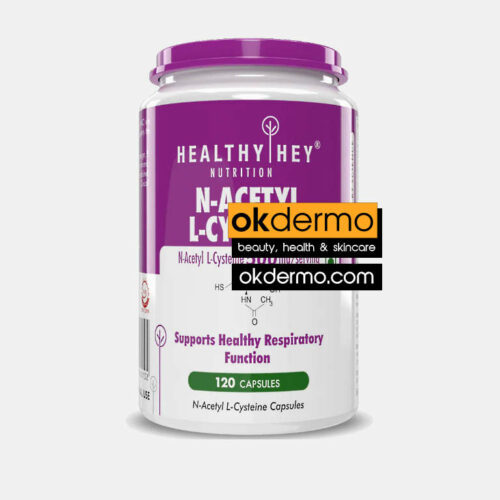
(NAC) N-Acetyl L-Cysteine Capsules
N-Acetyl L-Cysteine 500mg
Size: 120 Vegetarian Capsules
USD $39.00 Add to cart -
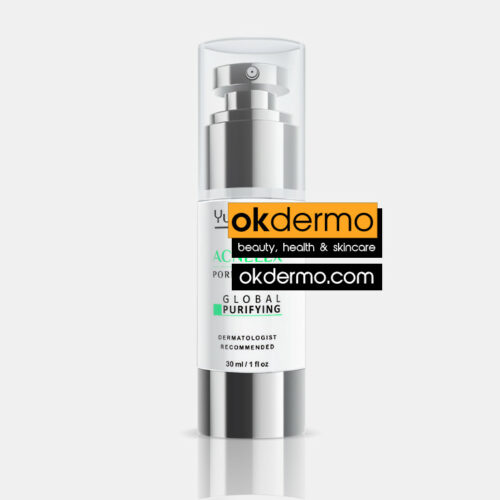
ACNELEX® Pore Refiner Gel Cream
Pore Refinyl + Azelaic Acid + Salicylic Acid + Allantoin + Panthenol + Tocopherol Acetate
Size: 30ml / 1fl.oz
USD $44.00 Add to cart -
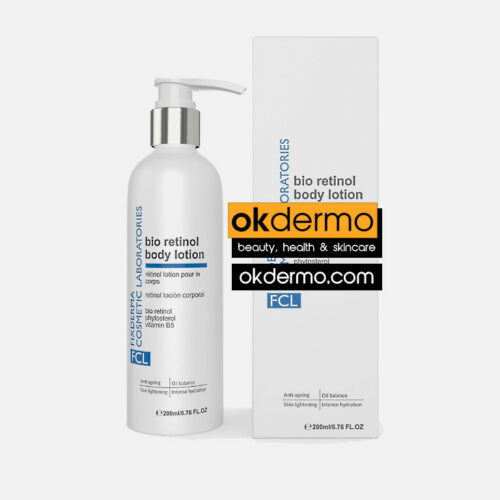
FCL® BIO Retinol Anti Ageing Body Lotion
Revinage®: Bio Retinol + Phytosterol + Panthenol Pro-Vitamin B5
Size: 200ml / 6.8fl.oz
USD $44.00 Add to cart -
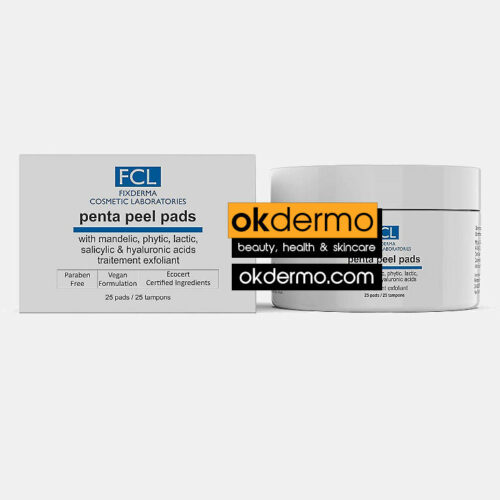
FCL® Penta Peel Pads® Removes Dead Skin
Mandelic Acid + Lactic Acid 2.5% + Multifruit AHA + Salicylic Acid 2% + Phytic Acid + Hyaluronic Acid 0.5%
USD $54.00 Add to cart -
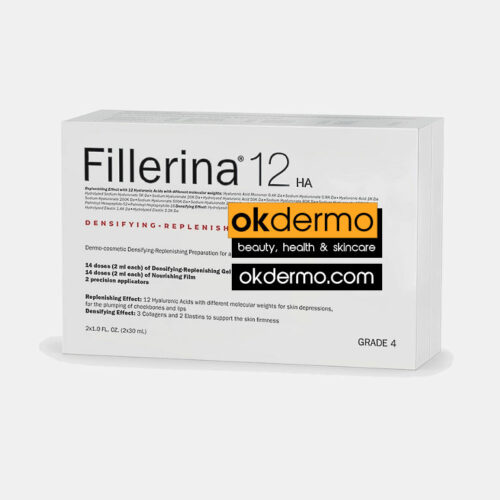
Fillerina® 12 HA Densifying-Replenishing Treatment Gel Filler
12 Hyaluronic Acids + 3 Collagen Molecules + 2 Elastin Molecules + Matrifull + Acetyl Hexapeptide-37
Size: 2 x 30g / 1oz Vials
From USD $275.00 Select options -
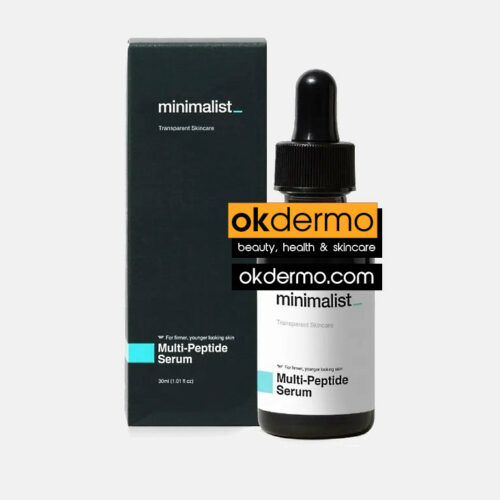
Minimalist® Multi-Peptides 10% Face Serum
Matrixyl 3000 7% + Oligopeptides + Polypeptides + Vegan Bio-Placenta 3% + Hyaluronic Acid
Size: 30ml / 1fl.oz
USD $34.00 Add to cart -
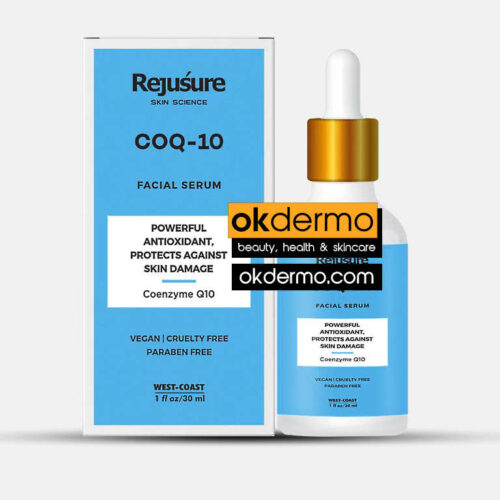
Rejusure® COQ-10 Antioxidant Facial Serum
Topical Coenzyme Q10 (Ubiquinone)
Size: 30ml / 1fl.oz
USD $27.00 Add to cart -
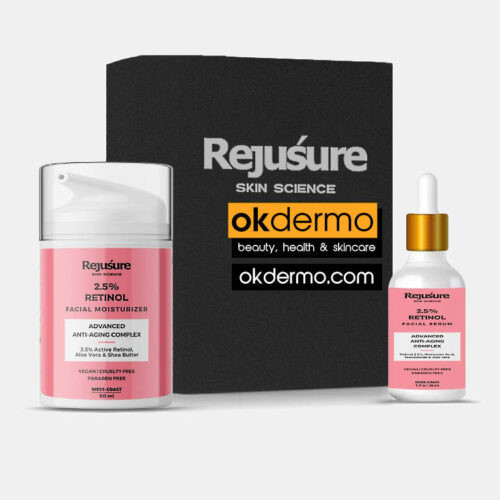
Rejusure® Retinol 2.5% Anti-Ageing Combo Pack
Facial Moisturizer + Facial Serum
Size: Cream 50ml / 1.7fl.oz, Serum 30ml / 1fl.oz
USD $36.00 Add to cart -
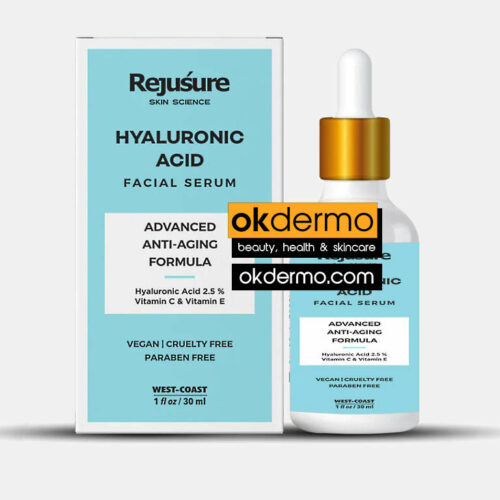
Rejusure® Hyaluronic Acid Facial Serum
Hyaluronic Acid 2.5% + Vitamin C + Vitamin E + Aloe Vera
Size: 30ml / 1fl.oz
USD $26.00 Add to cart -
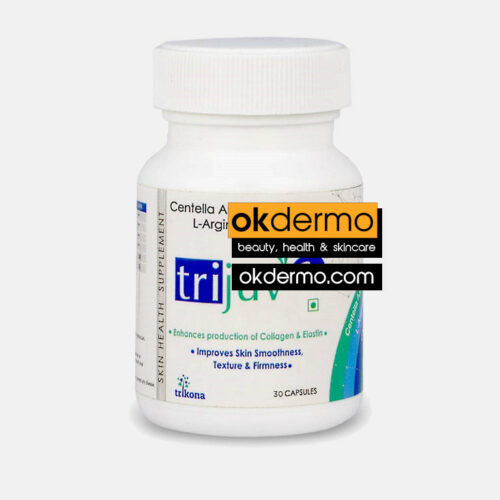
Trijuv® Anti Aging Skin Supplement
Centella Asiatica + L-Arginine + L-Cysteine + Glycine + Vitamin E + Zinc
Size: 30 Capsules
USD $33.00 Add to cart -
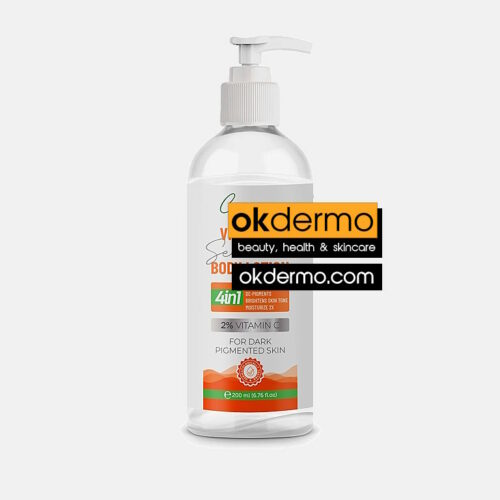
Vitamin C 2% Body Lotion For Dark Pigmented Skin
Reverses Aging, De-Pigment, Brightens Skin Tone, Moisturize 2x
Size: 200ml/6.76fl.oz
USD $28.00 Add to cart -
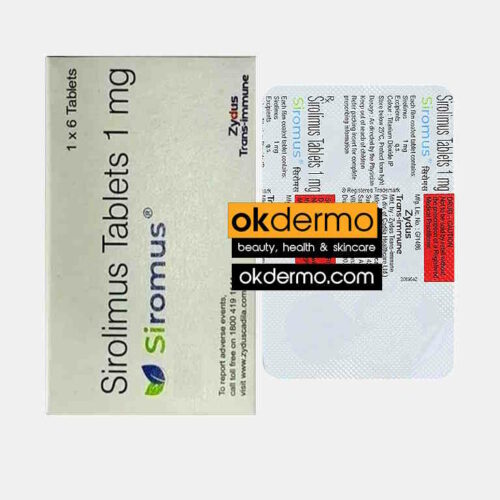
Siromus® Rapamycin / Sirolimus Tablets
Rapamycin / Sirolimus 1mg
Size: 30 Tablets
Brand name: Rapamune
USD $180.00 Add to cart -
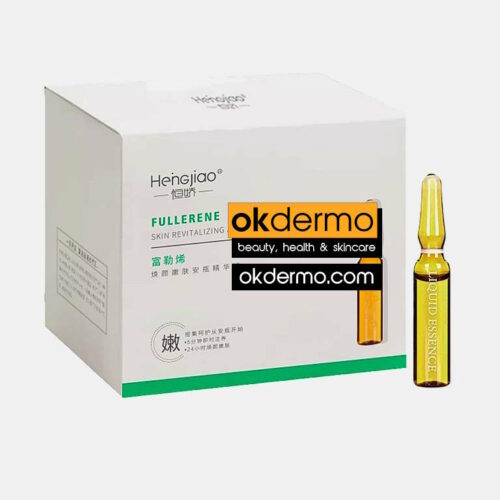
Fullerene Skin Revitalizing Ampoule Essence
Liquid Topical & Microneedling Therapy
Size: 28 Glass Ampoules
USD $51.00 Add to cart -
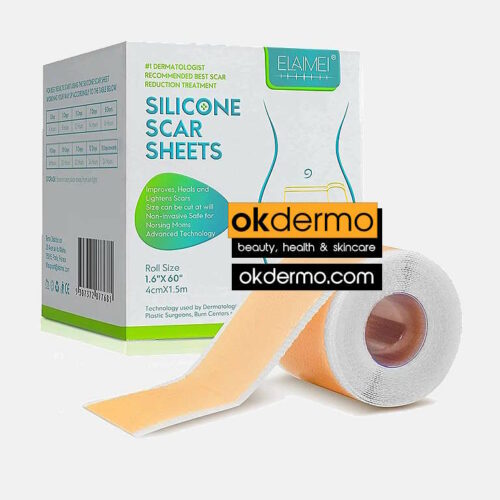
Elaimei® Silicone Scar Sheets Tape
Medical-Grade Scar Removal Tape for Keloid, C-Section, Surgery, Burns
Size: Tape 1.6" x 60" / 4cm x 1.5m
Brand name: Mederma Scar Sheet, ScarFX, Polymax, ScarAway, CVS
USD $37.00 Add to cart -
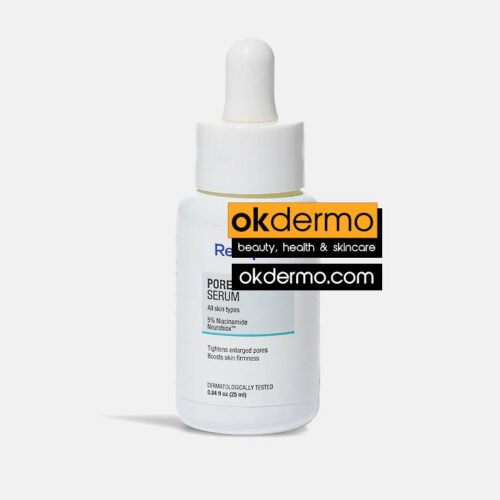
Pore Refining® Niacinamide Serum
Niacinamide 5% + Neurobiox™ + Esculenta Fruit Extract
Size: 25ml / 0.85fl.oz
USD $29.00 Add to cart -
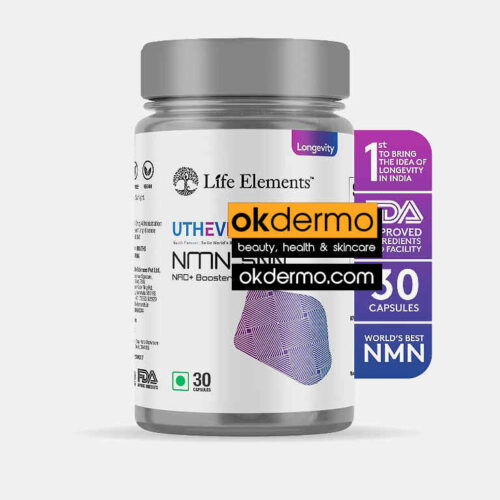
Uthever® Purest NMN Supplement to Boost NAD+
Nicotinamide Mononucleotide 500mg
Size: 30 Capsules
USD $85.00 Add to cart -
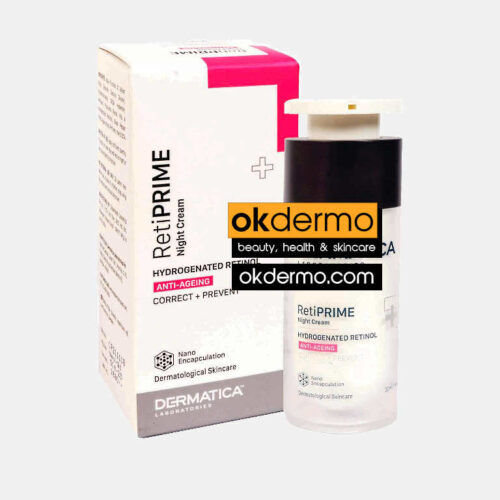
RetiPRIME® Anti-Ageing Retinol Night Cream
Hydrogenated Retinol + Crambe Maritma Leaf Extract + Dictyopteris Membrane
Size: 30ml / 1fl.oz
USD $58.00 Add to cart -
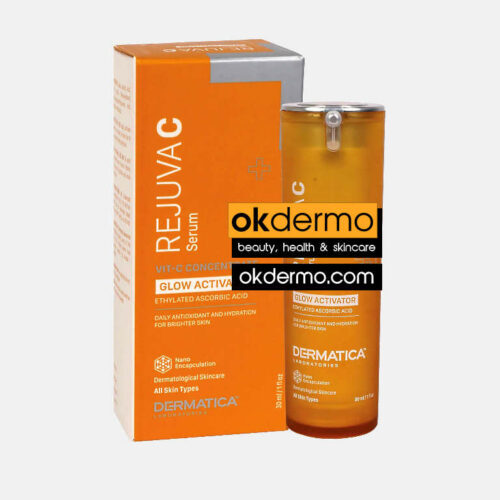
Rejuva C® Vitamin C Concentrate Serum
Ethylated Ascorbic Acid + Hyaluronic Acid + Alpha Arbutin
Size: 30ml / 1fl.oz
USD $45.00 Add to cart -
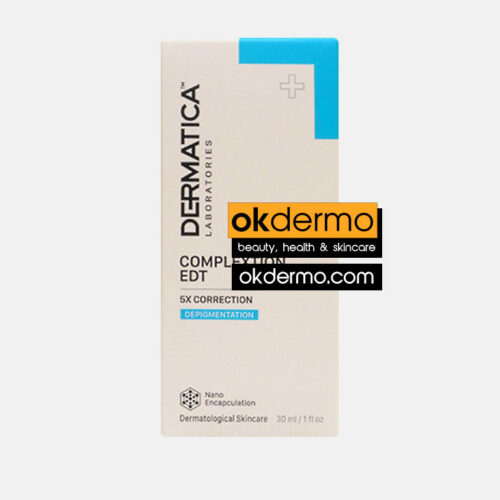
Complexion EDT® 5X Correction Depigmentation
Undecylenoyl Phenylalanine 2% + Tranexamic Acid + Alpha Arbutin + Glycyrrhiza Glabra + 3M3.Whiteris G™
Size: 30ml / 1fl.oz
USD $43.00 Add to cart -
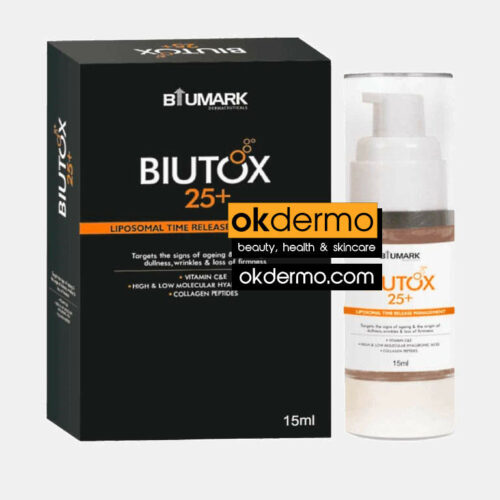
Biutox 25+® Anti-Aging Liposomal Gel Serum
25% L-Ascorbic Acid + High & Low Hyaluronic Acid + Triple Collagen Peptides + L-Arbutin
Size: 15ml / 0.5fl.oz
USD $61.00 Add to cart -
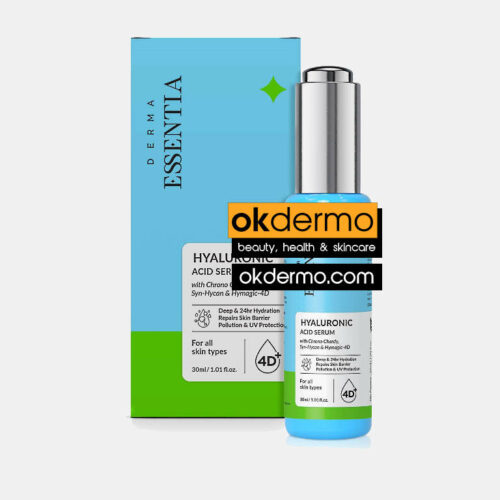
Hyaluronic Acid® Serum for Skin Hydration & Glow
Hymagic-4D 2% + Ceramide 1% + Chrono Chardy + Syn-Hycan
Size: 30ml / 1fl.oz
USD $37.00 Add to cart -
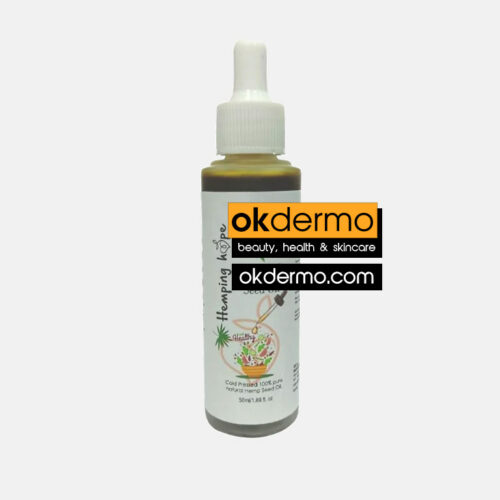
Hemp Seed Oral Oil
Organic Vegan Keto Friendly Cold Pressed
Size: 50ml / 1.7fl.oz
USD $38.00 Add to cart -
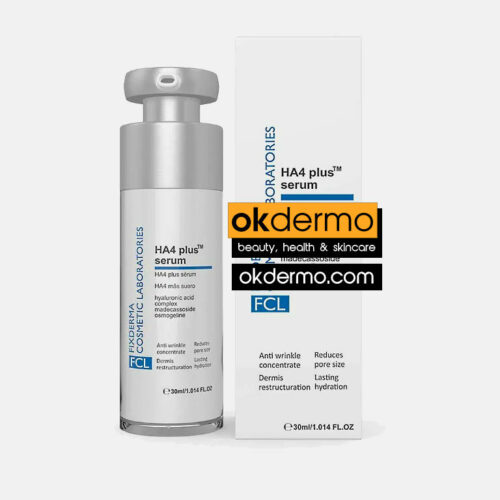
FCL® HA4 Plus® 1.3% Hyaluronic Acid Hydrating Face Serum
Hylasome EG-10 + Hymagic-AcHA + miniHA + Madecassoside + Osmogeline + Witch Hazel Extract + Sepitonic M4
Size: 30ml / 1fl.oz
USD $96.00 Add to cart -
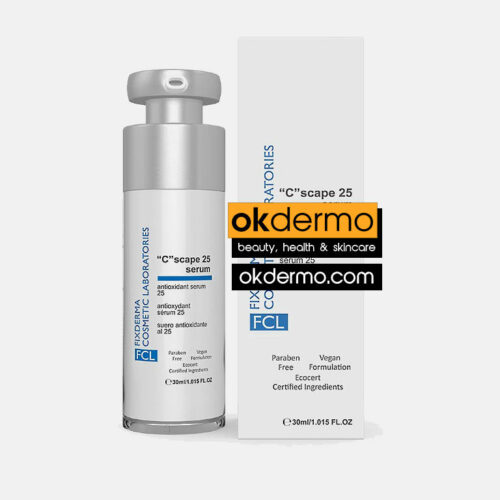
FCL® “C” Scape 25 Antioxidant Vitamin C Serum
L-Ascorbic Acid 25% + Alpha Arbutin + Hydrolyzed Collagen + Hyaluronic Acid 0.5% + Multifruit BSC + Ferulic Acid
Size: 30ml / 1fl.oz
USD $112.00 Add to cart -
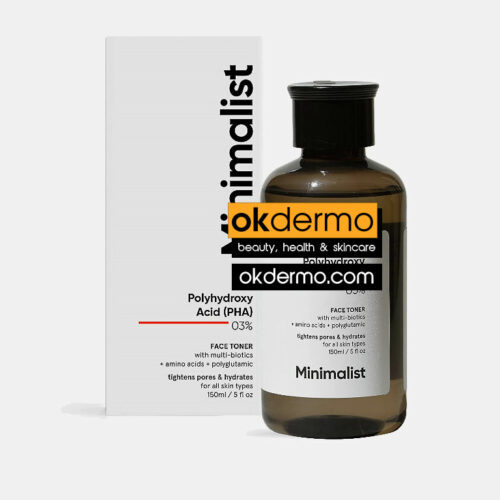
Minimalist® Polyhydroxy Acid (PHA) 03% Face Toner
Polyhydroxy Acid + Multi-Biotics + Niacinamide + Salicylic Acid
Size: 150ml / 5fl.oz
USD $24.00 Add to cart
Wrinkles, Lines, and Dullness Treatment Products
Wrinkles, lines, dullness, altered pigmentation, and whatnot, the skin, and the self have to go through. But don’t let these signs of aging upset your uniquely beautiful epidermis. As you age skin naturally loses moisture and elasticity and as fat in the deeper layers of your skin breaks down, fine lines become more pronounced. Though one cannot permanently get rid of wrinkles and lines, they can be prevented. Read below to know the causes and preventive measures to reduce the appearance of wrinkles and fine lines.
Decreased production of natural oils dries your skin and makes it appear more wrinkled. Lack of collagen in the body is also responsible for stiff joints, saggy skin, and visible signs of aging. Various other factors that contribute to wrinkles and other aging-related concerts are:
- Age
- Smoking
- Vitamin B Deficiency
- Repeated facial expression
- Exposure to ultraviolet (UV) light
How do you Minimize the Appearance of Fine Lines, Wrinkles, and Dullness?
It is quite evident that certain products and lifestyle habits will change the way your skin looks and feels.
- Make sunscreen your 365 days ritual. They are the ultimate skin shielders from the damage caused by the sun.
- For effective and visible results, use products that have niacinamide, vitamin C, and retinol to boost collagen production and counteract free radical damage.
- Try facial exercises and quit smoking if you do.
- Beauty sleep is a must too.
Fighting Wrinkles, Lines, and Dullness with OKDERMO
Tired of trying products that vanish your creases? The hunt has to stop. Incorporating products that have vitamin C and retinol will give visible results in reducing the appearance of signs of aging and improving skin elasticity making it look supple and refined. OKDERMO understands the complexes that run behind dull and aging skin. Our uniquely formulated products for anti-aging have got your puffy eyes to dull and wrinkled skin covered. Flaunt that flawless and naturally glowing skin with the best products made by Okdermo. We have taken care of both your day and night skincare regimen.
Wrinkles – Your skin changes as you age. You might notice wrinkles, age spots, and dryness. Sunlight and cigarette smoking are major causes of skin aging which contributes to wrinkles. The wrinkling increases with the number of cigarettes and years a person has smoked. Many products claim to revitalize aging skin or reduce wrinkles, but OKDERMO Skin Care has approved only a few for sun-damaged or aging skin. Various treatments soothe dry skin and reduce the appearance of age spots.
Our anti-wrinkle skin care products focus on the epidermis, the top layer of your skin, by invigorating the skin with gentle inflammation and exfoliation of the body’s self-protective response to destroy harmful “invaders,” including any pollution or free radicals in the air. Anti wrinkle cream the best option to invest in your skin, it is a great present too! We have the best anti-aging cream for 30s, 40s, and over 50, just check them out on this page!
This focus on exfoliation, skin self-renovation, controlled inflammation, and the upper layer of skin – epidermis, allows for users to see dramatically visible results in a matter of days, including fading fine lines, deeper wrinkles, and dramatically improved texture and pore size, fading dark spots and make your skin glow again with a new force of powerful cosmeceutical components. Buy anti-wrinkle facial treatment products from us and be assured of their quality and effectiveness.
The main component of wrinkle treatment is retinoic acid or tretinoin aka retinol, aka topical Vitamin A, which belongs to a group called topical retinoids. All tretinoin products work in the same way, speeding up cell turnover rates, rapidly exfoliating your skin, and keeping pores free from blockages, or comedones. When your pores aren’t clogged, pimples and blackheads can’t develop.
Our best wrinkle cream – the benefits of Retin-A go beyond just treating acne! It’s also a popular anti-aging treatment. Tretinoin reduces the look of fine lines and wrinkles and makes the complexion brighter and smoother. If you have adult acne, and aging is a concern of yours, you’ll clear your skin while getting this added benefit as well. OKDERMO carries only the best anti-wrinkle products for topical use.